Case Study 02
Medication Management App.
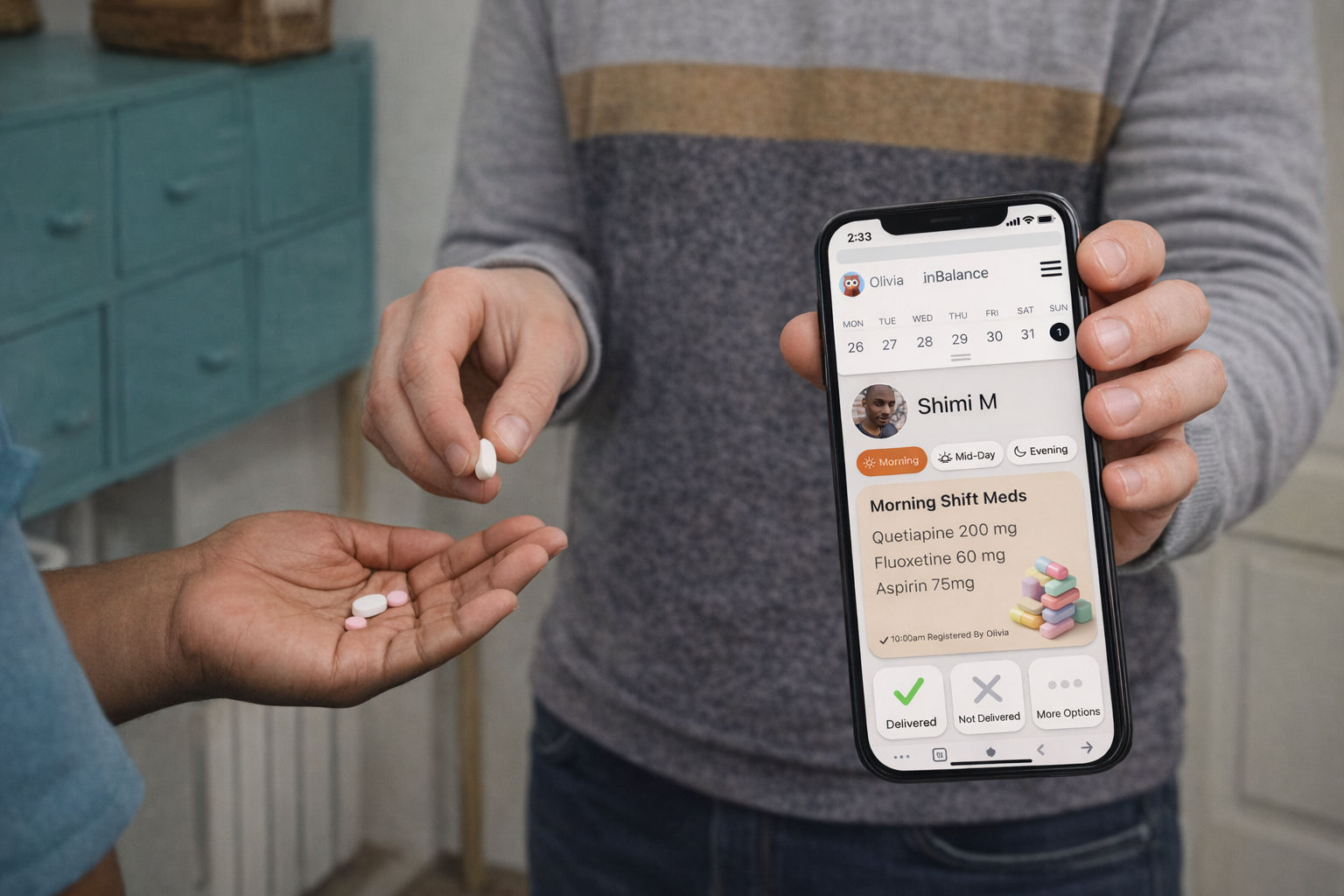
Efrat, manager of a mental health residence, needed a solution for a critical risk: medication errors. I designed an intuitive app to streamline distribution, reduce staff stress, and allow counselors to focus on what matters most- the residents.
Browse The Web App

This page is still in progress. For the full experience, please switch to desktop. Sorry for the inconvenience!

The Staff
- Distribute routine medications.
- Log medication administrations.
- Administer emergency medications (SOS).
User Roles & Needs

The Manager
- Verify medication compliance among the residents.
- Print monthly report of all medication administrations.
PAIN POINTS
- Overwhelmed with tasks.
- Lacks a consistent way to verify medication administration.
- Frequent distractions during medication distribution.
- Relies on an Excel file on a tablet - cumbersome and inefficient.
- Medications are recorded in Excel and not clearly organized by shifts.
- Zero tolerance for errors in a high-risk process.

The Nurse
- Enter medication data for new residents.
- Update medications for existing residents.
- Prepare medications for the staff.
core Solutions

Instant Verification: Quickly approve medication delivery.
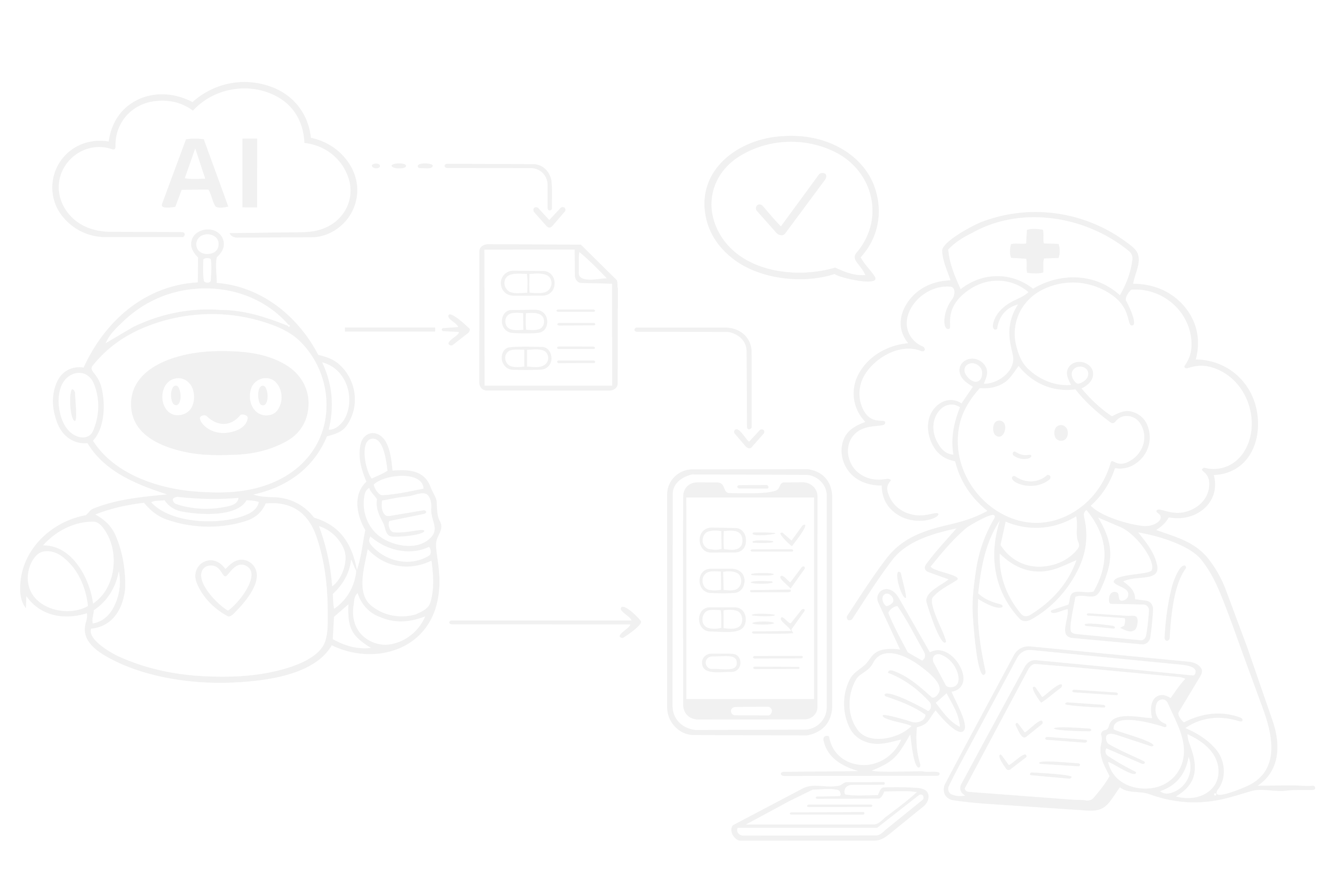
Safe Human-AI Collaboration: Upload and process medication lists.

Smart Reminders: Ensure medication logging is never missed.
Simplified Workflows for Complex Environments
also within the app

Case Study 02
Medication Management App
Efrat, the manager of a mental health residence, needed a solution for a critical risk: medication errors. I designed an intuitive app to streamline distribution, reduce staff stress, and allow counselors to focus on what matters most, the residents.

Browse The Web App
Use a tablet or mobile device for the best experience.
THE CHALLENGE
Balancing Speed with Safety
The goal was to design a UI that is intuitive enough for a fast-paced environment, while implementing smart safety friction to eliminate medication errors without slowing down the staff.
Our main goals were:
- Zero-Error Delivery
- Workflow Efficiency
- Reduced Cognitive Load
- Real-time Oversight
my ROLE
Led the research, design, and AI-assisted development of the Soteria House app. I drove the project from concept to a live product, ensuring seamless on-site implementation and testing.
Exploration
Insight-Driven Design: Identifying the Friction in Medication Cycles
Conducted on-site observations at Soteria House during medication rounds to uncover critical pain points and user insights.
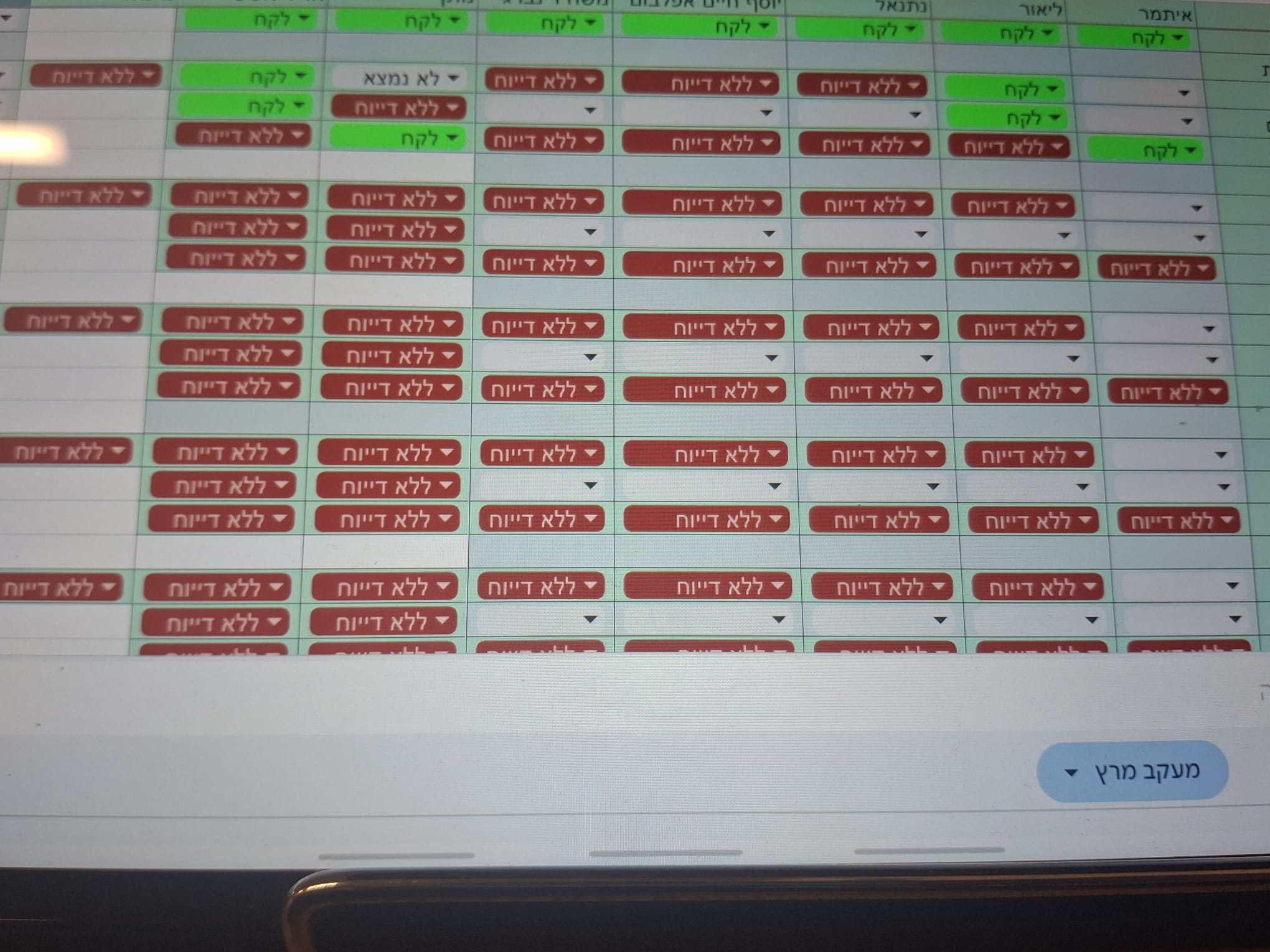
Medication data for ~15 residents is managed in a single Excel sheet, covering three daily shifts - morning, mid-day, and evening.
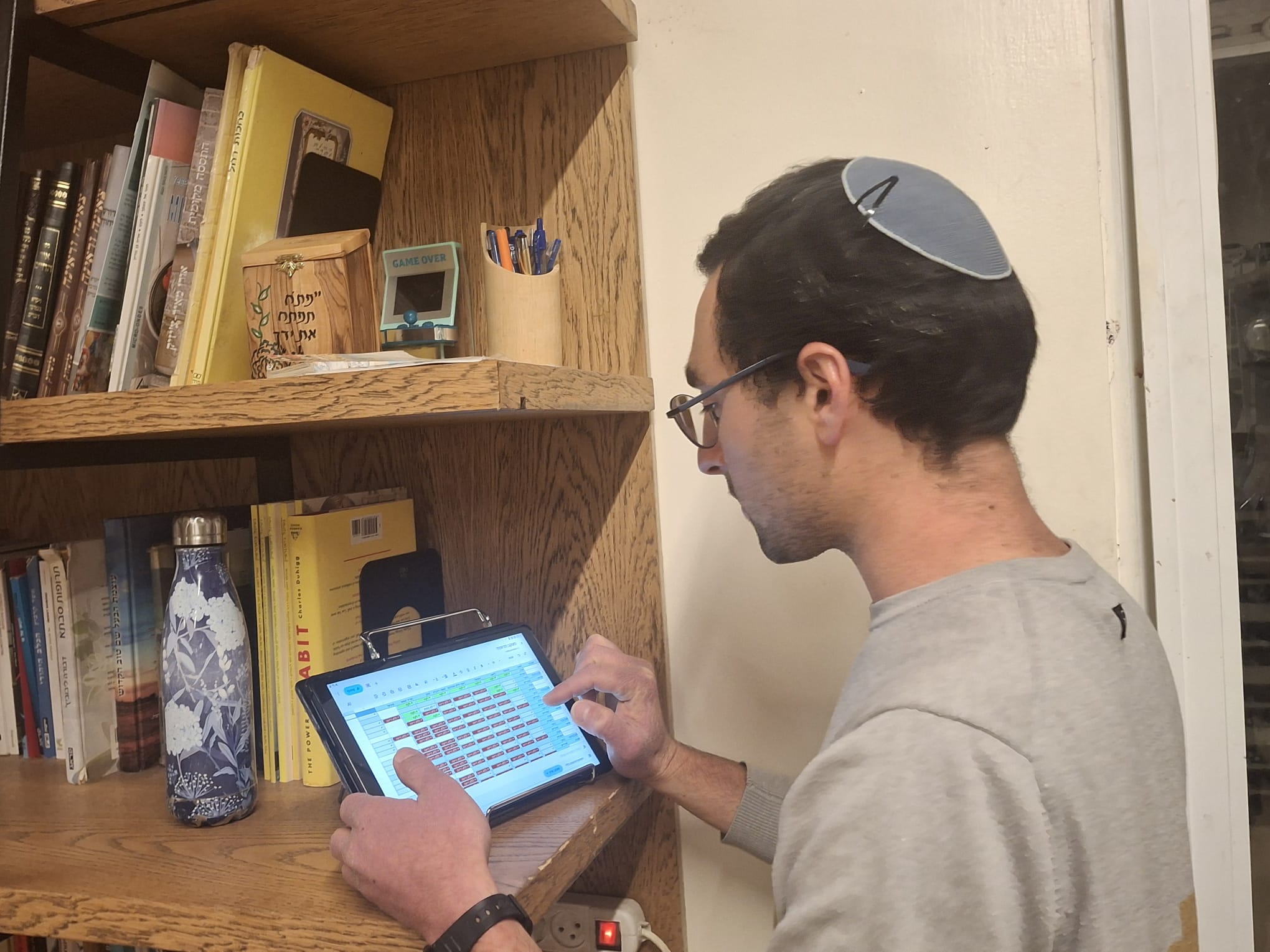
Staff log medication administration either in real time or retrospectively using an Excel file on a tablet.
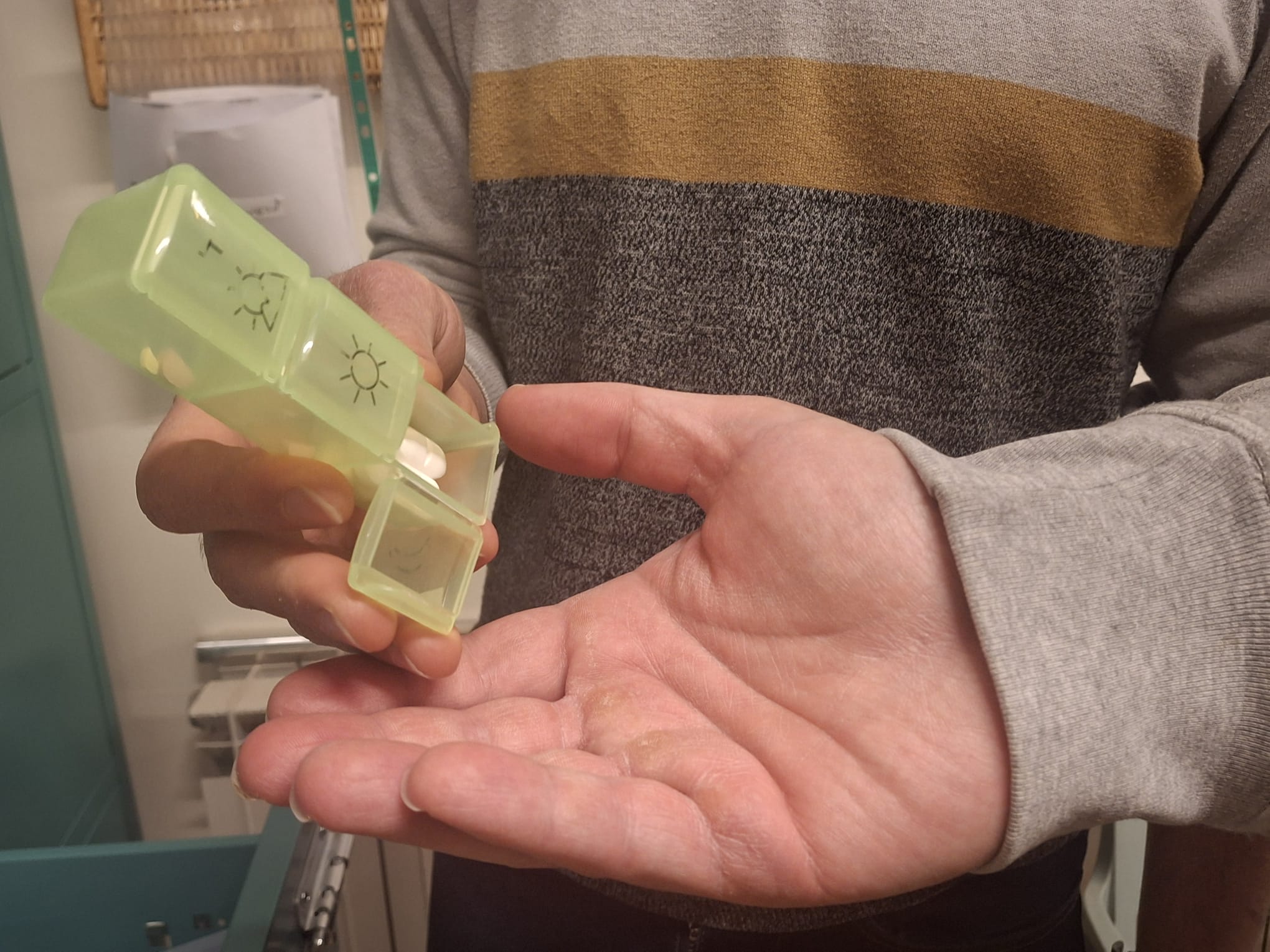
Medications are pre-prepared by the nurse and distributed by the staff.
Insights
focus on Medication time
- High-pressure Medication Window: The staff member distributing medication must maintain intense focus to avoid errors during this critical time.
- Constant Distractions: The environment is often chaotic, with many residents present in the apartment simultaneously, leading to frequent interruptions.
- Common Error - "Missing Data": The most frequent mistake is failing to log the status for a specific resident. This creates a “data gap” that later requires time-consuming investigation to understand why it wasn’t filled and who was responsible.

The challenge wasn’t just to track medication, but to design a system that prevents errors in a chaotic, interruption-heavy environment - without slowing down the staff.
REFRAMING THE PROBLEM
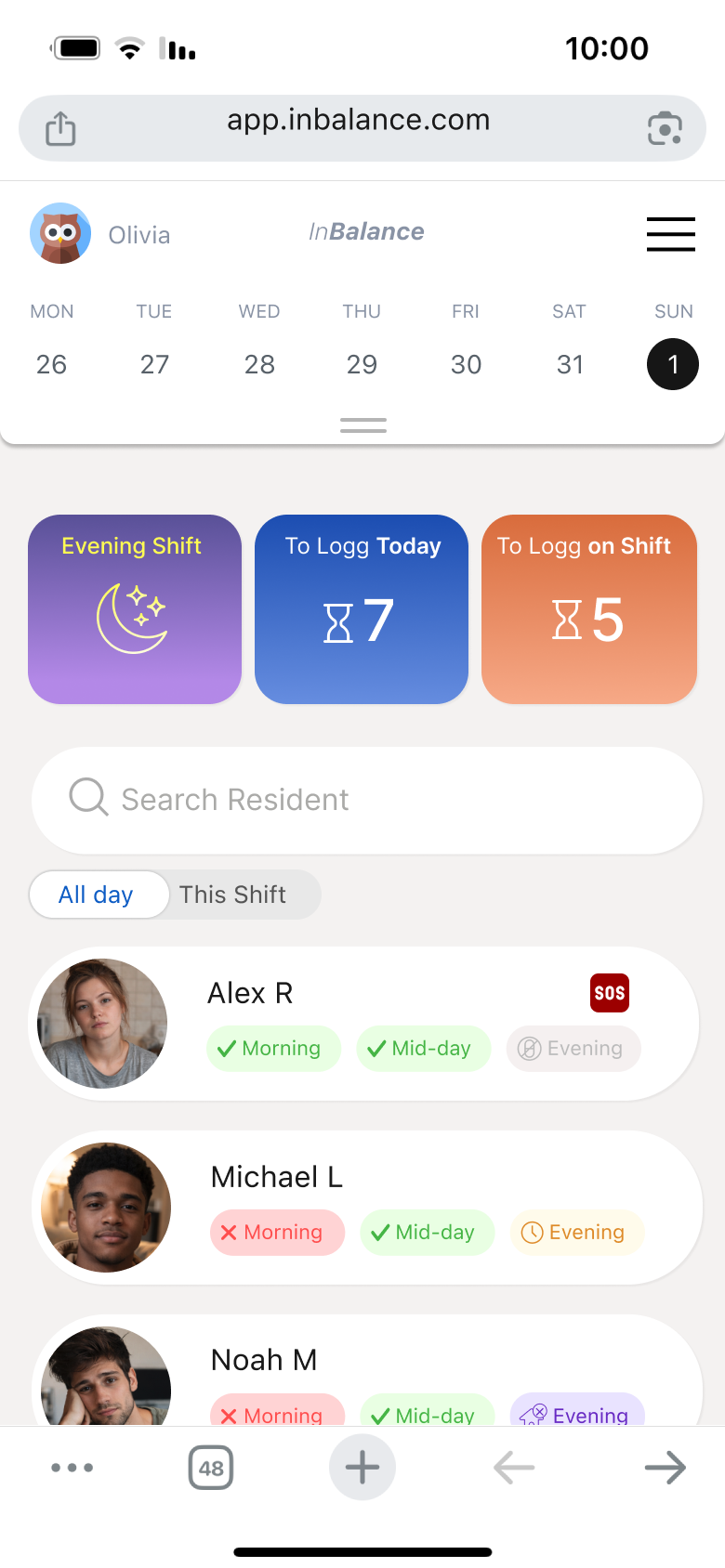
Shift & Daily Trackers: Real-time indicators for pending medication tasks.
Main Dashboard: Provides a clear overview of medication status.
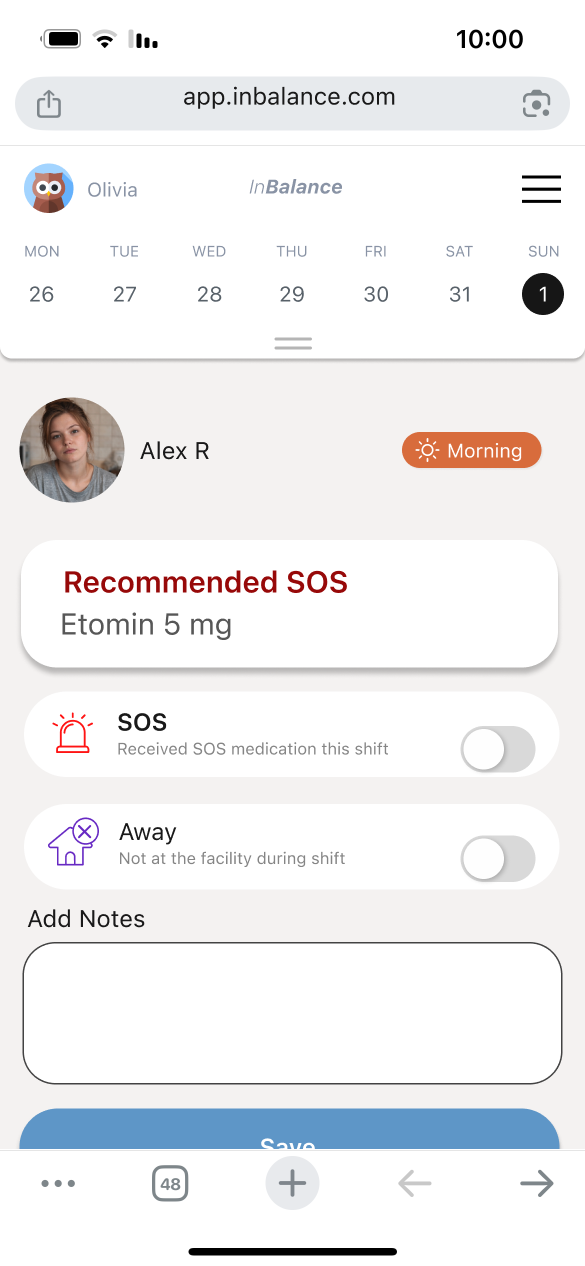
Record SOS Medication: Quick logging of as-needed medication during the shift.
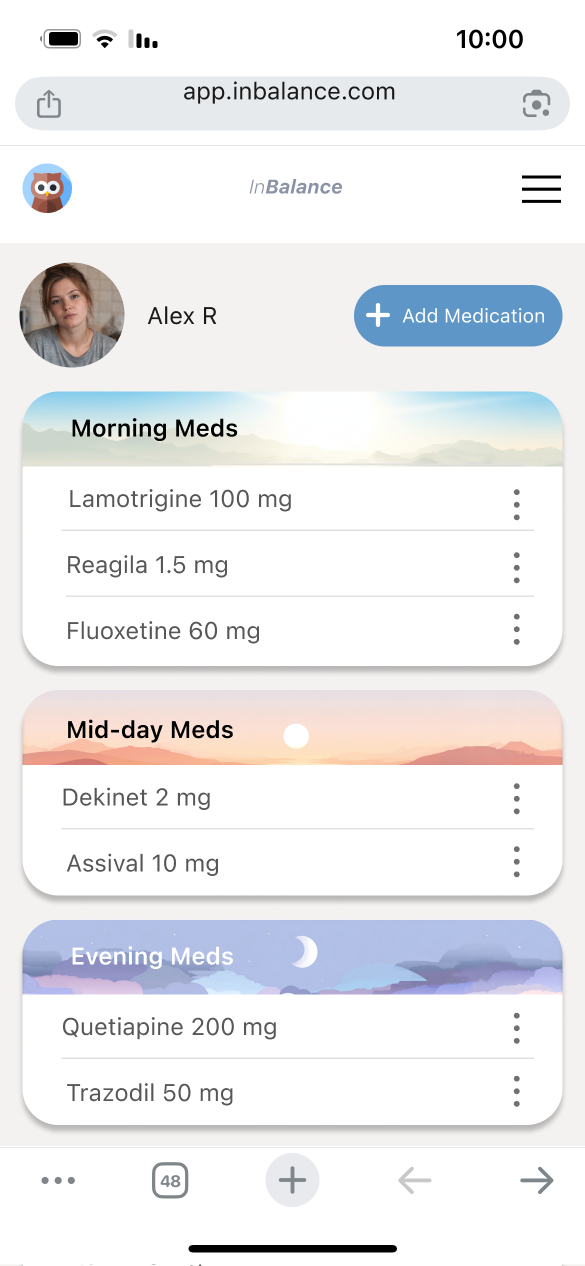
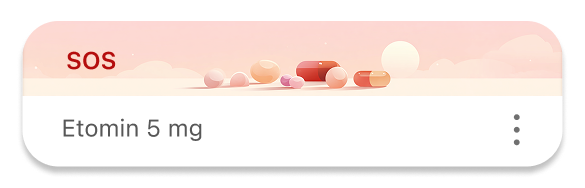
Visual Distinction: Clear UI cues for high-stakes environments.
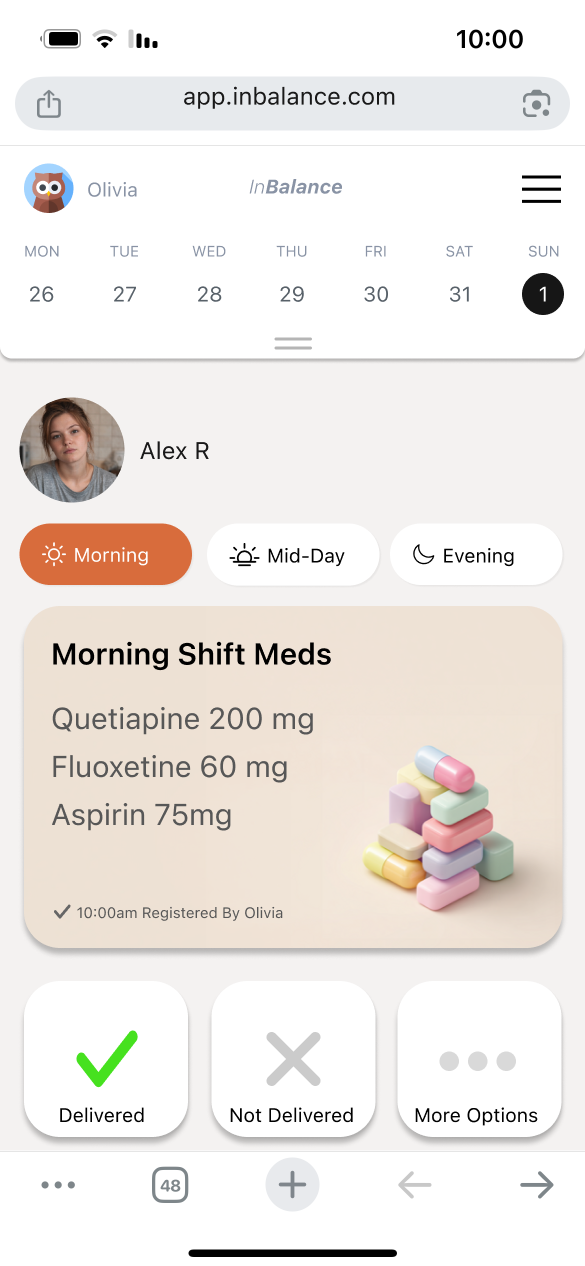
Record Medication Delivery: Streamlined flow for morning shift (specific resident).
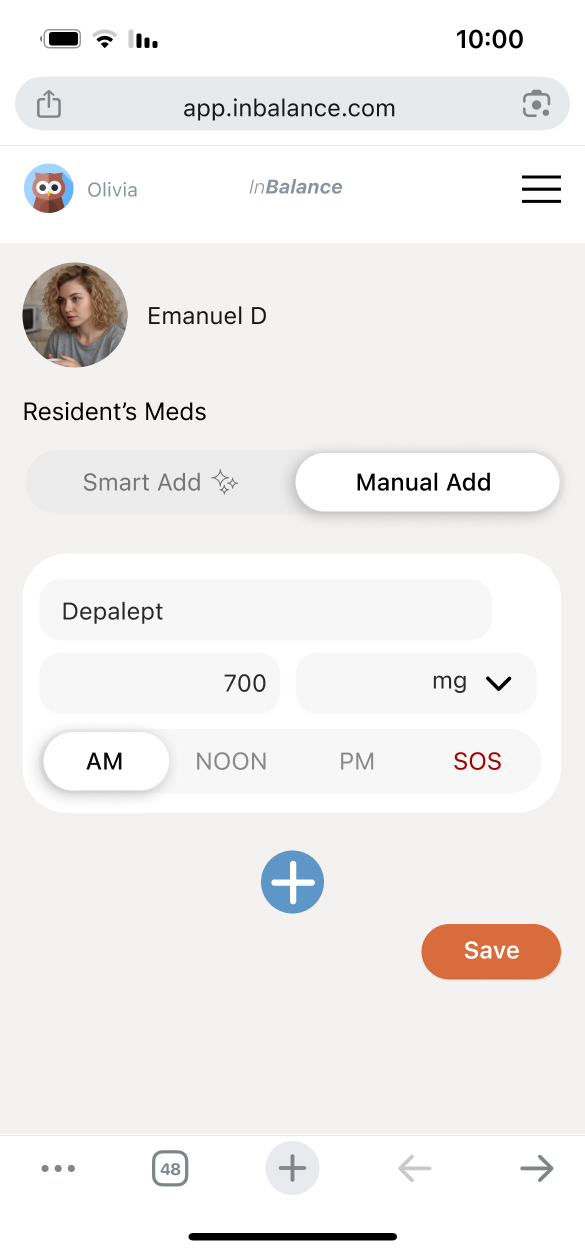
Manual Data Entry: Simple and structured medication input.
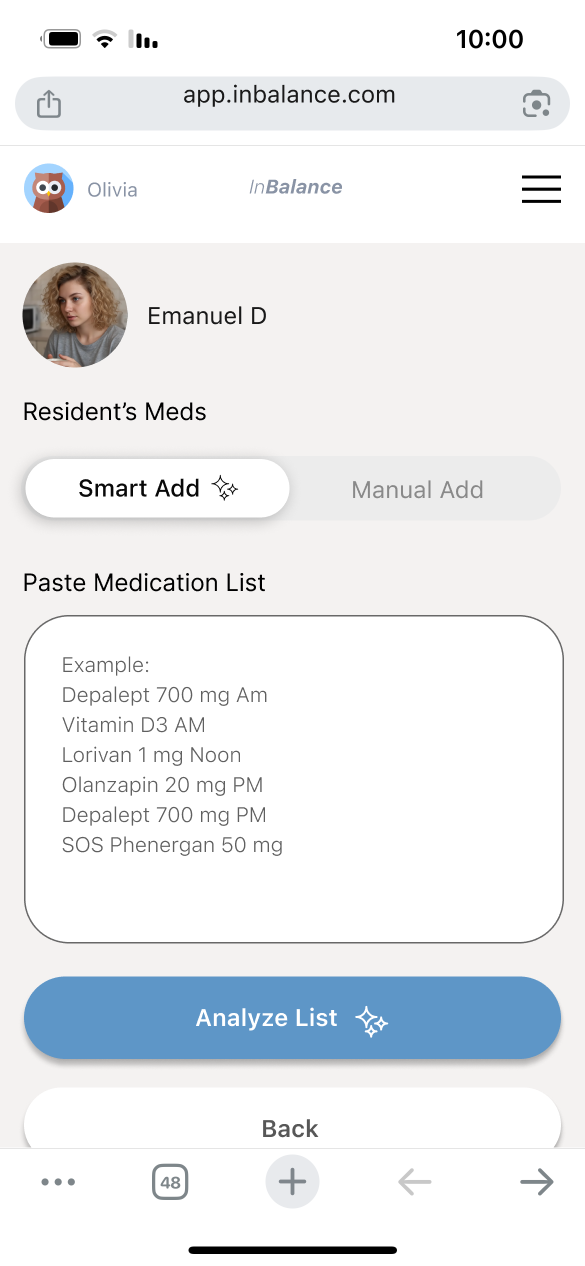
AI-Powered Data Entry: Automatically convert unstructured messages into structured medication data.
Medication lists are typically sent via WhatsApp messages from psychiatrists. The AI analyzes the content and converts it into structured data for review and editing before saving.
user testing
Putting it to the Test
Pilot Summary: Testing with Real-World Users
The application was deployed for a one-week trial at Soteria House, where it was tested by the primary users: the house nurse and the residential staff. The feedback was overwhelmingly positive, noting that the app is highly user-friendly, intuitive, and easy to operate within the daily routine of the facility.
While the core functionality performed well, the pilot highlighted several specific operational needs now being integrated into the development roadmap:
- Periodic Injections: Add tracking capabilities for long-acting injections administered on a monthly basis.
- SOS Medication Tracking: Implement a counter to monitor SOS doses taken in a single day compared to the maximum limit.
- Prescription Renewal: Integrate a dedicated tracking tool for the nurse to manage medication stock and renewal status.
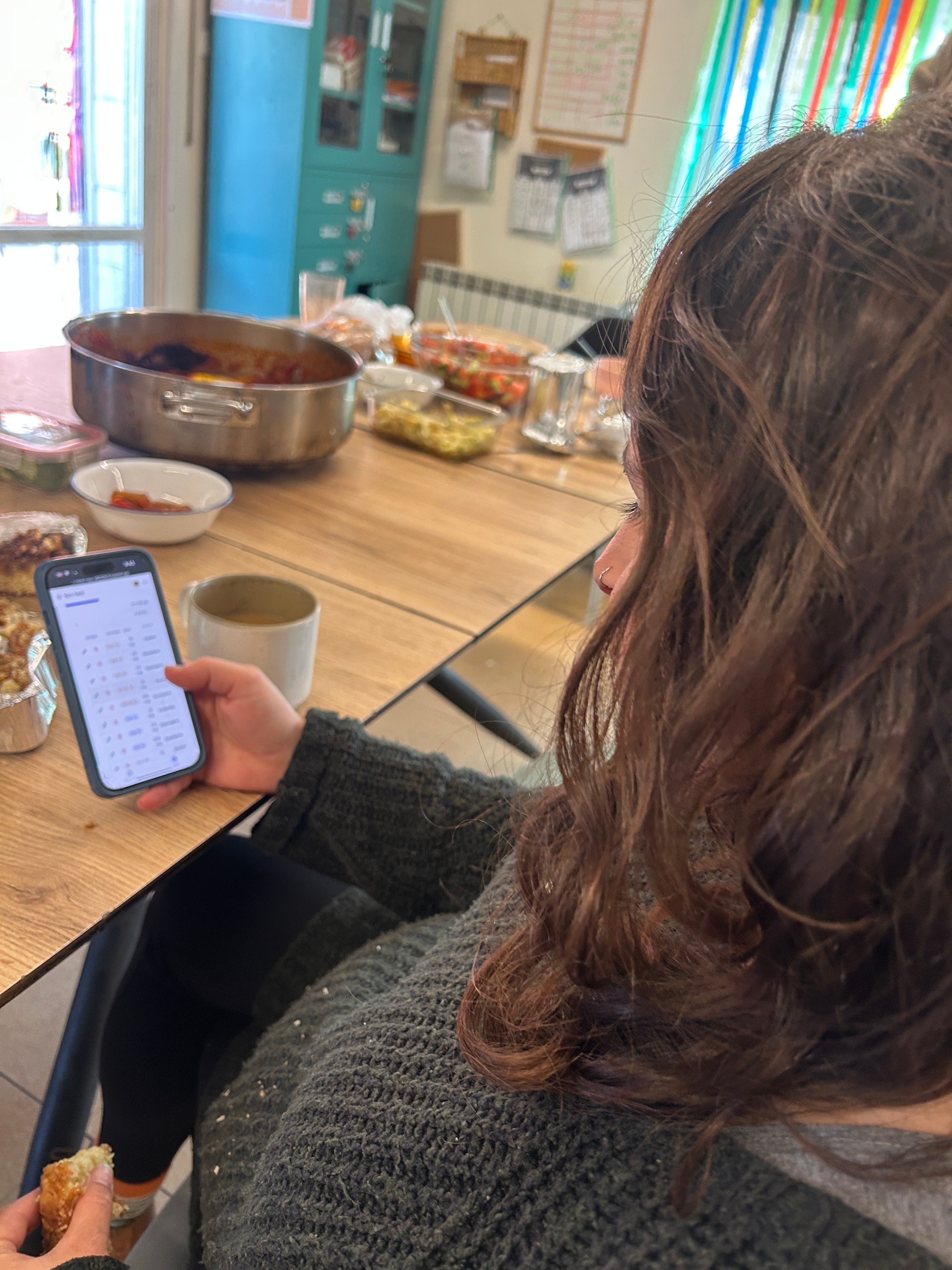

User Authentication and Activity Tracking
The system logs every counselor who enters or edits data for tracking and error prevention.
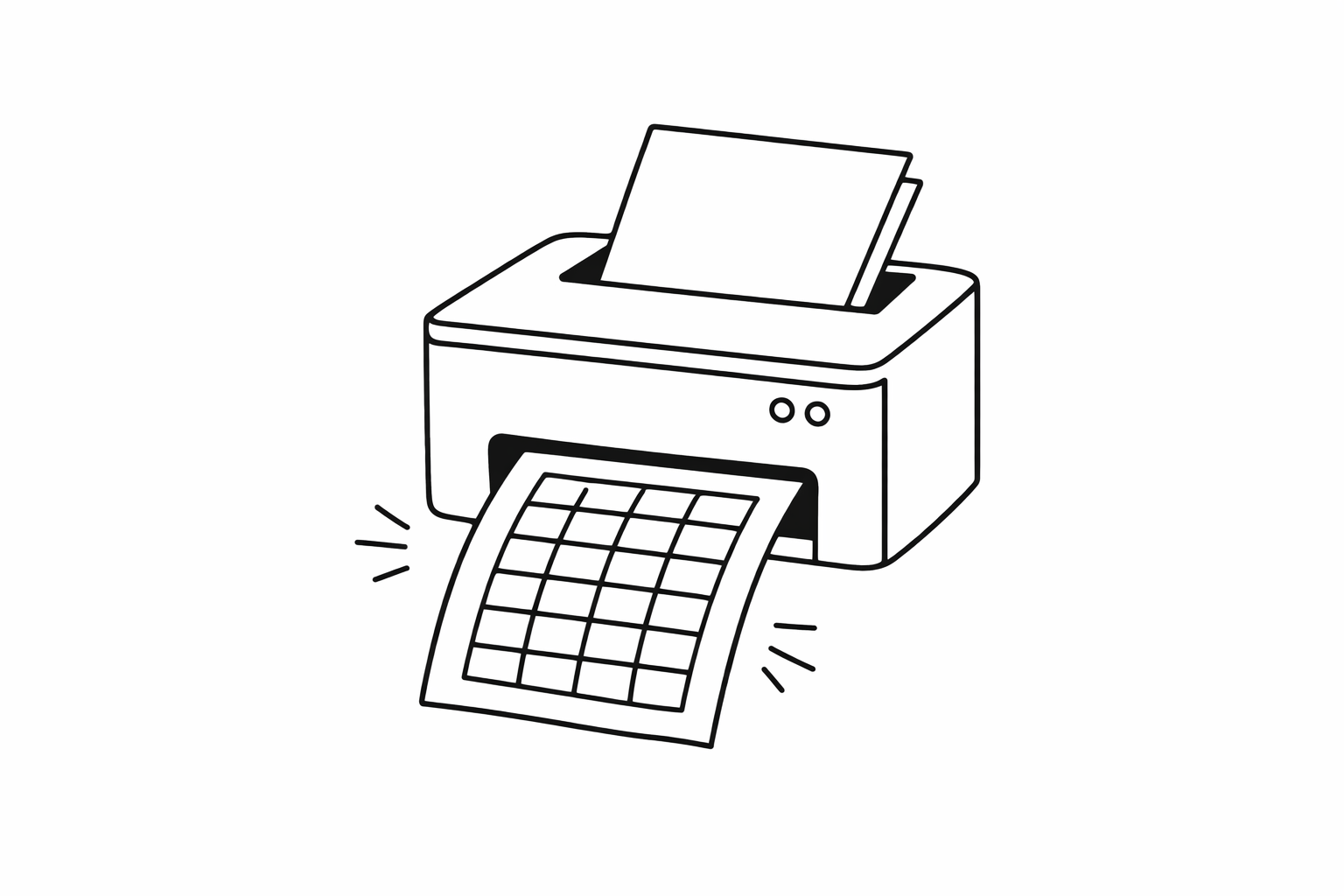
Filtered Table View and Print Export
Export filtered data to a printable file based on selected dates and values.
Missing Data Alerts
Automated alerts when reporting deadlines pass without a status update - ensuring no medication logs are left incomplete.
The Staff
- Distribute routine medications.
- Log medication administrations.
- Administer emergency medications (SOS).
impact
Putting it to the Test
- Increased staff confidence during medication rounds.
- Reduced reliance on manual tracking.
- Improved consistency and accountability.